Children's dentistry
Calm first visits, honest advice on baby teeth, and no forced treatment: dentistry your child won't dread.
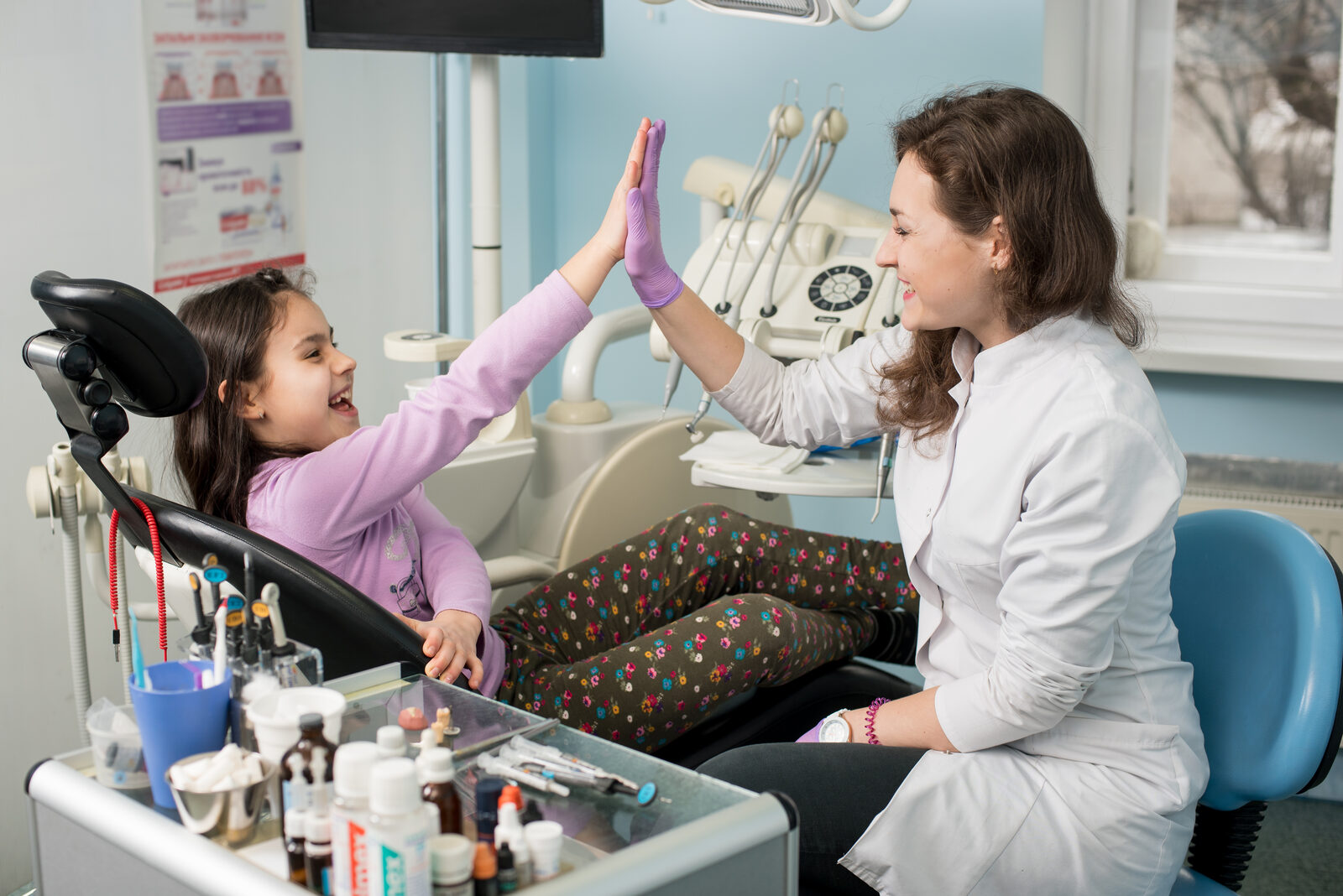
The goal of children's dentistry is a child who, at thirty-five, books a check-up without a second thought. Every visit either builds that or chips at it, which is why the first visits are deliberately small, and why we'd rather end an appointment early than push a frightened child through it.
Bring your child from around their first birthday, or when the first teeth arrive (earlier than most people expect). The point of that first visit isn't treatment; it's a short, easy look, answers to your questions, and a child who leaves thinking the dentist is no big deal.
Ready when you are.
Pick your dentist and a real open slot, booked in under a minute.
Book an appointmentThe first visit
Keep it boring, in the best way. A first visit is short: your child gets a ride in the chair, we count teeth, have a look around, and talk with you about brushing, bottles, dummies and diet. If your child clamps their mouth shut and we get nothing more than a smile and a sticker, that visit still did its job. The next one will go further.
How we look after your child in the chair:
- Where it helps, we show your child the instruments first: tell, show, then do.
- You stay with your child in the room.
- We never force treatment on an upset child. We stop and try another day rather than create a memory that costs years.
A practical tip that helps more than any technique: watch your language at home. "It won't hurt", "they won't give you an injection" and war stories from your own childhood all plant the idea that there's something to fear. "The dentist is going to count your teeth" is enough.
And if you're here because a newborn is struggling to feed, our tongue-ties and lip-ties page was written for exactly that.
Why baby teeth matter
"They fall out anyway" is the most expensive sentence in children's dentistry. Baby teeth hold the space that adult teeth will need. Lose one early to decay and the neighbours drift into the gap, crowding the adult tooth that was headed there. Decayed baby teeth also cause real toothache, real infections and real sleepless nights, and they set the habits: a child who has teeth fixed calmly learns that problems get fixed; a child whose first dental memory is an emergency in pain learns something much worse.
So yes, we fill baby teeth when they need it, and it's not wasted work. It's usually quicker and smaller than the same job on an adult tooth, especially caught early at a check-up.
Fissure sealants
The chewing surfaces of new molars come with deep grooves (fissures) that a toothbrush bristle physically can't reach the bottom of. A fissure sealant is a thin protective coating flowed into those grooves and set, sealing them off so food and bacteria can't lodge there. No drilling, no injection; the tooth just needs to be kept dry for a few minutes, which for most kids is the easiest "treatment" they'll ever have.
Sealants earn their keep on the new adult molars, which arrive around age six and again around twelve, and they're at their best applied soon after the tooth comes through, before the grooves have had years to collect trouble. We'll tell you at a check-up whether your child's molars would benefit or whether their grooves are shallow enough not to bother.
Fluoride
Fluoride makes enamel more resistant to the acid that causes decay, and it can help early, still-invisible decay repair itself before it becomes a hole. The everyday source is ordinary fluoride toothpaste, used twice a day in the right amount: a smear for babies, a pea-sized blob from around age three, and spit-don't-rinse so a little stays behind working.
In the chair, we can add a fluoride varnish painted onto the teeth: over in moments, nothing to dread, and useful for children who are getting decay or at higher risk of it. It's a supplement to brushing, not a substitute, and we'll recommend it when it's actually warranted rather than as a routine add-on.
Nervous kids
Some children walk in curious; some arrive already scared, because of a previous bad experience, an older sibling's teasing, or no reason anyone can name. Both are normal, and the frightened ones are not naughty; they're frightened.
Our approach is patience over force: small steps, plain explanations at the child's level, and permission to stop. A visit that achieves half of what was planned, calmly, beats one that achieves everything through tears. If your child had a bad experience elsewhere, tell us when you book. It changes how we plan the visit. And if it's you who dreads the dentist, quietly, our nervous patients page was written for you; children read their parents' faces better than any of us would like.
Ready when you are.
Pick your dentist and a real open slot, booked in under a minute.
Book an appointmentFrequently asked questions
When should my child first see a dentist?
Around the first birthday, or within a few months of the first tooth arriving. It feels early; that's the point. The first visit should happen before there's a problem, not because of one.
How often should children have check-ups?
Six-monthly suits most children, same as adults. Small mouths change fast, and decay in baby teeth moves quicker than in adult teeth, so regular short visits beat rare long ones.
My child has a wobbly baby tooth. Do we need to come in?
Usually not. Wobbling out on schedule is normal, and half the fun. Come in if a tooth is knocked loose in a fall, if a wobbly tooth is painful or the gum swells, or if the adult tooth is visibly arriving behind a baby tooth that won't budge.
What about thumb-sucking and dummies?
Both are normal in the early years and most children stop on their own. If it carries on past the arrival of the adult front teeth it can begin to shift them. Raise it at a check-up and we'll tell you honestly whether yours is a wait-it-out or a work-on-it.
Can I stay with my child during treatment?
See the first-visit section above. Our aim is whatever keeps your child calmest, and for most young children that means a parent close by. Ask us when you book.