Gum disease and bleeding gums
Bleeding gums are a sign, not a sentence. Caught early, gum disease is reversible.
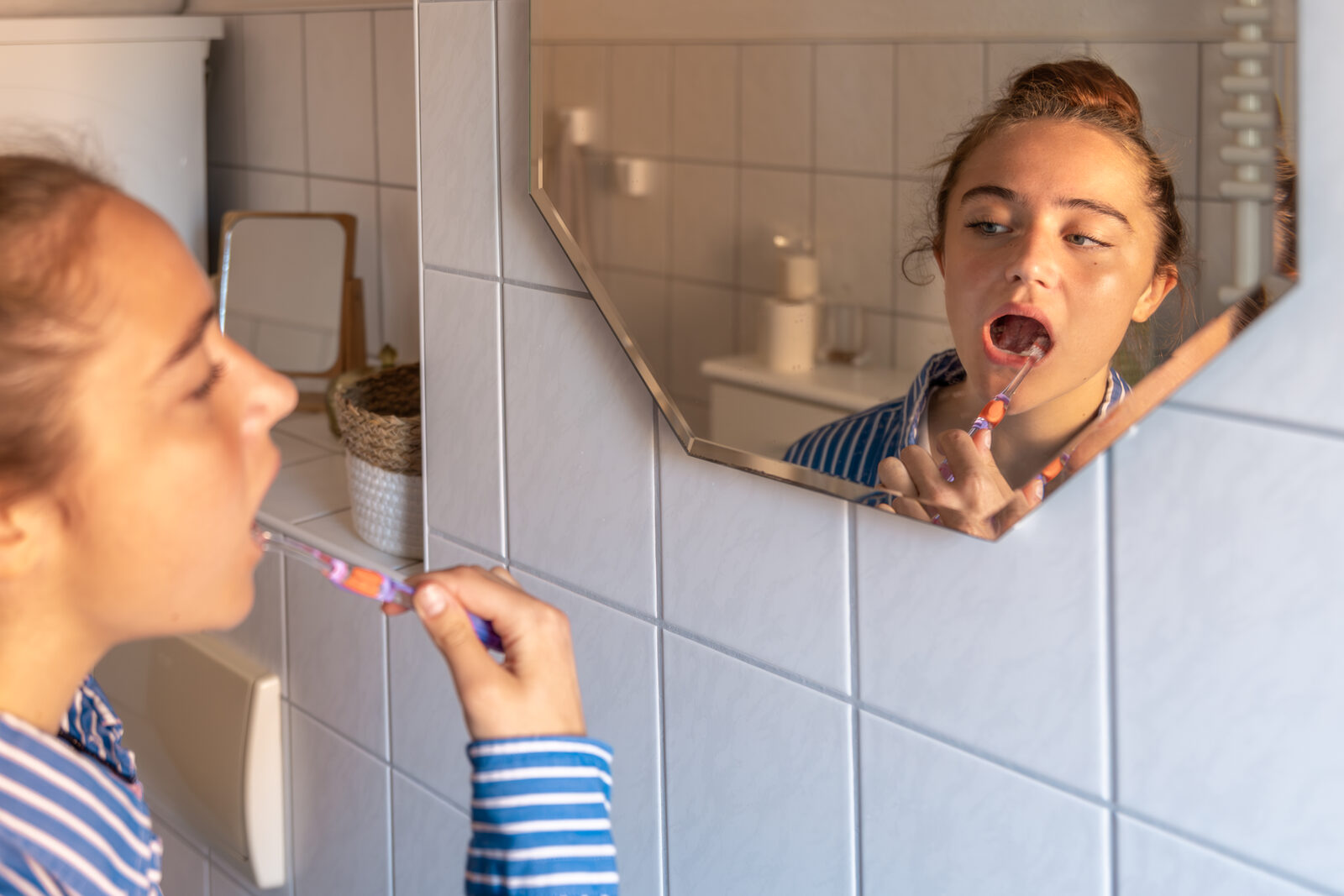
If your gums bleed when you brush, that's common, and it isn't normal. Healthy gums don't bleed. But here is the part that matters more: in its early stage, gum disease is reversible. Caught as gingivitis, the whole problem can be turned around with a professional cleaning and better home care: no surgery, no drama, gums back to healthy. The window is real, and if you're reading this because of pink in the basin, you're probably still inside it.
The mistake most people make is the natural one: gums bleed, so they brush that area more softly, so more plaque stays, so the gums get worse. The fix runs the other way.
Ready when you are.
Pick your dentist and a real open slot, booked in under a minute.
Book an appointmentGingivitis vs periodontitis
Gingivitis is the early stage: plaque along the gumline inflames the gum, which becomes red and puffy and bleeds easily when brushed. At this stage the damage is to the gum only. Nothing that holds your teeth in has been touched yet. Remove the plaque and tartar properly and keep it off, and the gum heals completely. This is the reversible stage.
Periodontitis is what gingivitis can become if it's left. The inflammation moves deeper and starts to break down the support around the teeth: the gum detaches, pockets form where the toothbrush can't reach, and slowly the bone that anchors the teeth is lost. That damage doesn't grow back on its own: periodontitis can be stopped and managed well, and teeth kept for life, but the lost support doesn't return. It's also sneaky. It usually causes no pain until late, which is how people arrive with loose teeth and no memory of a warning. The warning was the bleeding, years earlier.
Treatment
For early gum disease, treatment is unglamorous and it works: a thorough professional cleaning to remove the plaque and hardened tartar your brush can't, done by the dentist at the practice, plus an honest, specific home-care plan, which usually means brushing along the gumline properly and cleaning between the teeth daily, and we'll show you how rather than just say "floss more". Expect the bleeding to reduce visit by visit as the gums heal.
If the disease has progressed, cleaning needs to go deeper: below the gumline, into the pockets, usually with the area numbed, sometimes across more than one visit. We check your gums at every visit, treat early gum disease, and refer you to a gum specialist (periodontist) when that's the best option. After that, managing periodontitis is a maintenance partnership: more frequent cleanings for a while, honest measurement of the pockets to track progress, and home care that actually happens.
Smoking deserves one plain, kind sentence: it makes gum disease worse and, cruelly, hides the main warning sign, because smoking reduces the bleeding that would have sent you in. If you smoke and your gums "never bleed", that's not necessarily good news; it's worth a check.
Sensitive teeth
That short, sharp zing with cold water or ice cream usually means the tooth's inner layer has lost its cover: either the enamel has worn thin, or the gum has receded and exposed the root, which was never covered by enamel in the first place. Gum recession is often the legacy of gum disease or years of over-hard brushing; the scrubbing that feels thorough can be sanding the gum away.
Simple fixes first, in this order: a toothpaste for sensitive teeth used consistently for a few weeks (it works by calming the tooth's response, and it needs the consistency); a soft brush and a lighter hand. If one spot stays sensitive or gets worse, come in. Pinpoint sensitivity can also be early decay, a cracked filling or a cracked tooth, and those don't improve with special toothpaste. We can also protect exposed root surfaces in the chair where warranted.
Bad breath
Persistent bad breath is usually a mouth problem with a mouth solution, most often the same plaque, tartar and gum inflammation this page is about, sometimes the tongue's surface, sometimes food traps around old fillings or under a bridge. It is common, it is treatable, and it is nothing we haven't seen; nobody at this practice is going to make you feel small about it.
What works: treating any gum disease, cleaning between the teeth daily, brushing or scraping the tongue, and fixing the places food gets stuck. Mints and mouthwash on their own just redecorate; if the breath returns by mid-morning, the cause is still there, and a check-up will usually find it.
What it costs
Early gum treatment is essentially the cost of cleanings: modest, and typically covered by medical aids as preventive care. Deeper treatment is quoted after the examination, in writing, before anything starts. The honest financial note: gum disease is the cheapest thing on this site to treat early and among the most expensive to treat late. The same condition, priced by the year you show up.
Ready when you are.
Pick your dentist and a real open slot, booked in under a minute.
Book an appointmentFrequently asked questions
My gums bleed a little when I brush. Is that really worth an appointment?
Yes, precisely because it's early. A bleeding gum at this stage usually means gingivitis, the reversible stage, and one cleaning plus better technique may be the whole story.
Should I stop brushing where it bleeds?
No. The opposite, gently. Keep brushing along the gumline with a soft brush. The bleeding fades as the gum heals; going soft on the area feeds the cause.
Can gum disease make my teeth fall out?
Untreated periodontitis is one of the main reasons adults lose teeth. The teeth themselves can be perfect while the ground under them goes. Caught and managed, that outcome is preventable in most mouths.
Is gum disease contagious?
The bacteria involved do pass through saliva, but gum disease itself grows or doesn't based on plaque, home care and your own risk factors. Worry less about kissing and more about flossing.
Why do my gums bleed more when I'm pregnant?
Pregnancy hormones make gums react more strongly to the same plaque. Bleeding gums in pregnancy are common and worth taking seriously, not ignoring as "just hormones". Cleanings during pregnancy are safe and sensible; tell us you're pregnant when you book.